Who we work with
Organisations responsible for more ground than they can watch
Everyone below already has imagery, sensor readings or field reports arriving. The shortage was never data.
01
Conservation and land trusts
Habitat, species and forest cover across holdings that grew faster than the field team did. Monitoring obligations are annual; the things that threaten a parcel are not.
What changes in the first months
The first change is usually uncomfortable: you find out how much has been happening on parcels you were visiting on a three-year rotation. The second change is that annual monitoring stops being the thing that discovers problems and becomes the thing that confirms what you already knew.
02
Government environmental, land and water agencies
Statutory duties over a whole jurisdiction, with headcount set by a budget cycle and public scrutiny that arrives after the fact.
What changes in the first months
Early on, most of the value is in triage — the inspection queue starts being ordered by what changed instead of by when a file was opened. Procurement and records requirements shape the design from the first week, because retrofitting them later does not work.
03
Insurers and reinsurers
Millions of locations priced against a hazard view that updates on a schedule, while the ground changes on its own schedule.
What changes in the first months
The first months are spent on the record, not the model — being able to say why a location's exposure figure moved, in terms an examiner accepts. Teams that skip that part build something they cannot use in a filing.
04
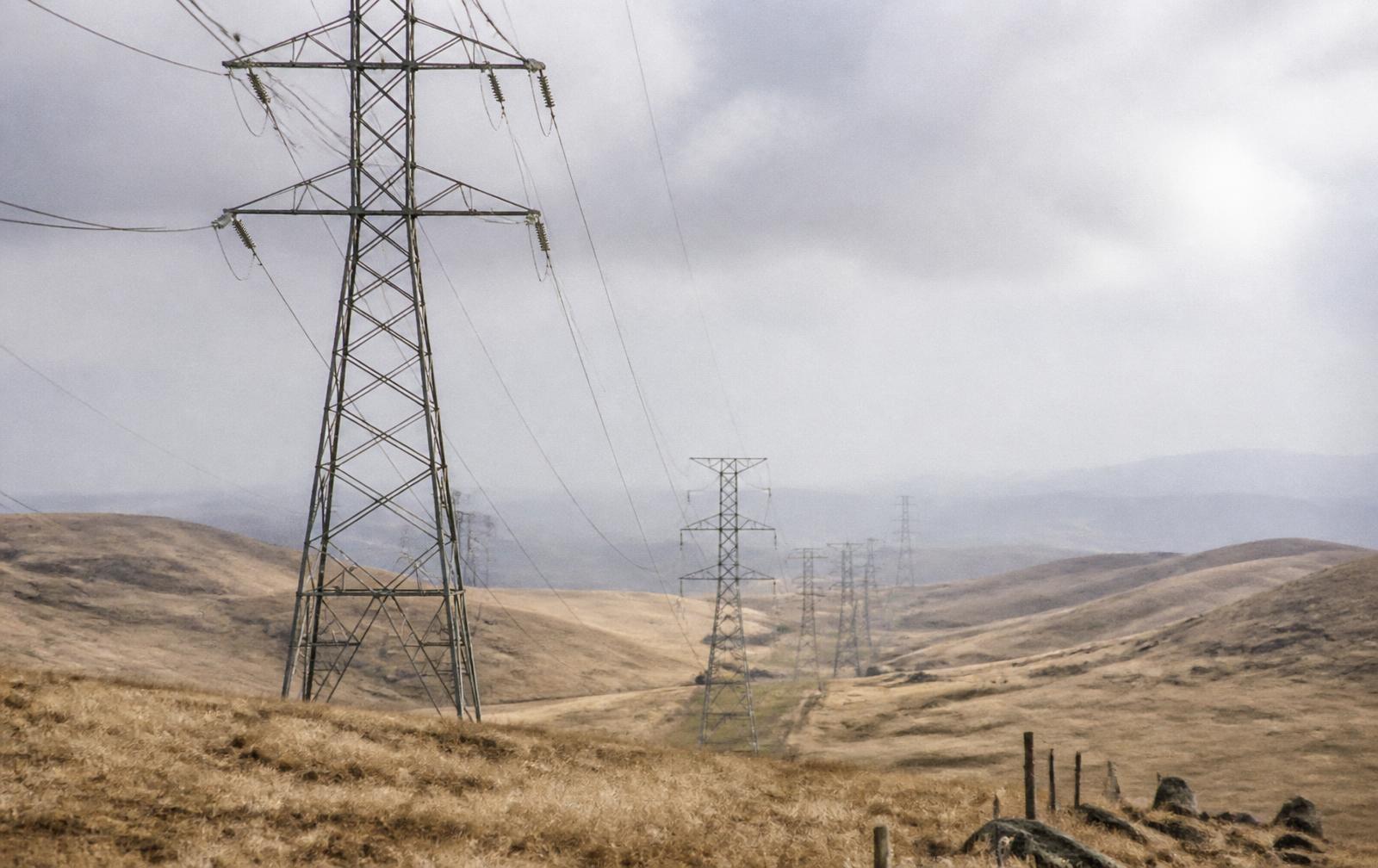
Infrastructure and utility operators
Thousands of line miles, pipe miles or track miles, a maintenance crew sized for planned work, and a regulator interested in the unplanned kind.
What changes in the first months
Vegetation and access changes are where most operators start, because the observations already exist and the consequence of missing one is well understood internally. The harder early work is deciding which findings are allowed to create a work order without a person in between.
05
Disaster response and humanitarian coordination
A region to watch with a team sized for one emergency, and a first hour where most of the work is assembly rather than judgement.
What changes in the first months
Exercises come before live use, always. The early gain is that the first-pass packet is ready when the coordinator opens the laptop. The early discovery is usually about connectivity assumptions that do not hold in the field.
06
ESG data and ratings providers
Location-based claims assembled on behalf of clients who will be asked to defend them, sometimes years later.
What changes in the first months
The trail becomes the product. Within a few months most providers find their methodology documentation and their actual practice were further apart than they thought, and closing that gap is the work.
07
Agriculture, food and food science
Land, sourcing and supply managed from the ground up, with downstream teams that currently learn about a bad season last.
What changes in the first months
Sourcing and formulation start receiving field conditions weeks earlier than before. The origin paperwork improves as a side effect, which is usually the part that gets the budget renewed.
Who we are a poor fit for
Organisations with nothing observing the ground yet. The design reads what is already arriving; if nothing is arriving, that is the first project and it is not this one.
Teams that want a system running this quarter. Buying something is faster, and occasionally it is the right call — we will tell you when we think so.
Anyone who wants the human out of the loop. That is the opposite of what we design.